The situation
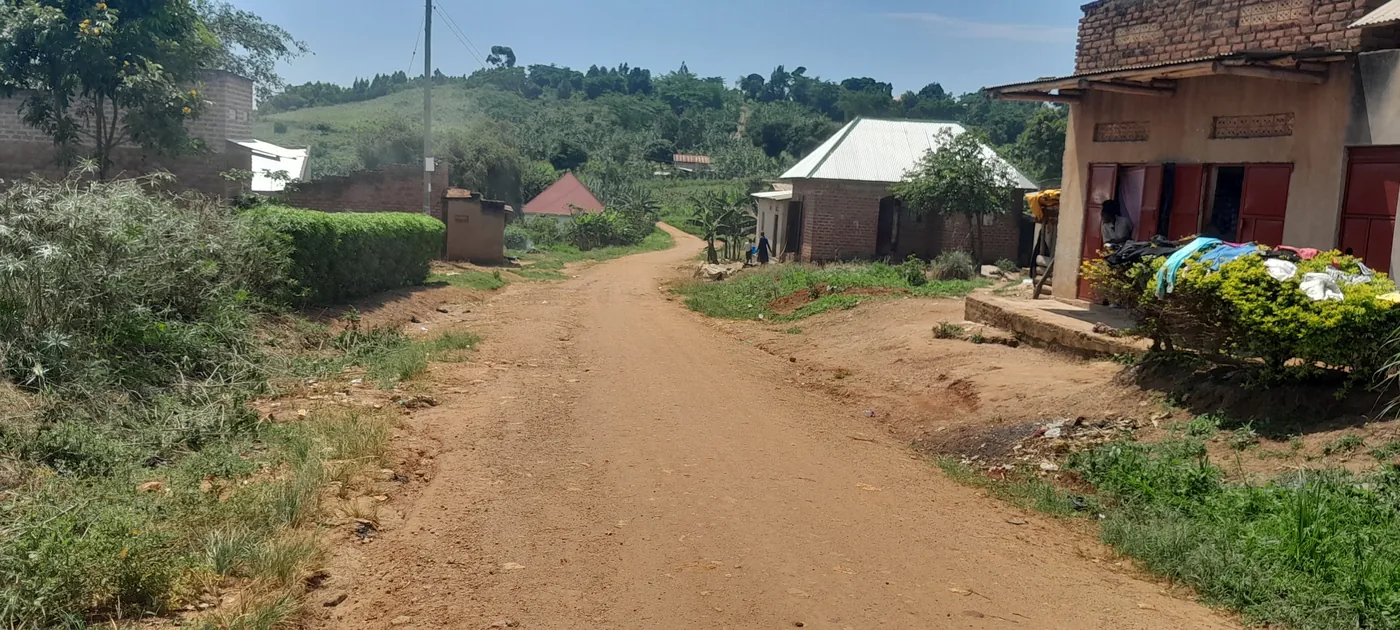
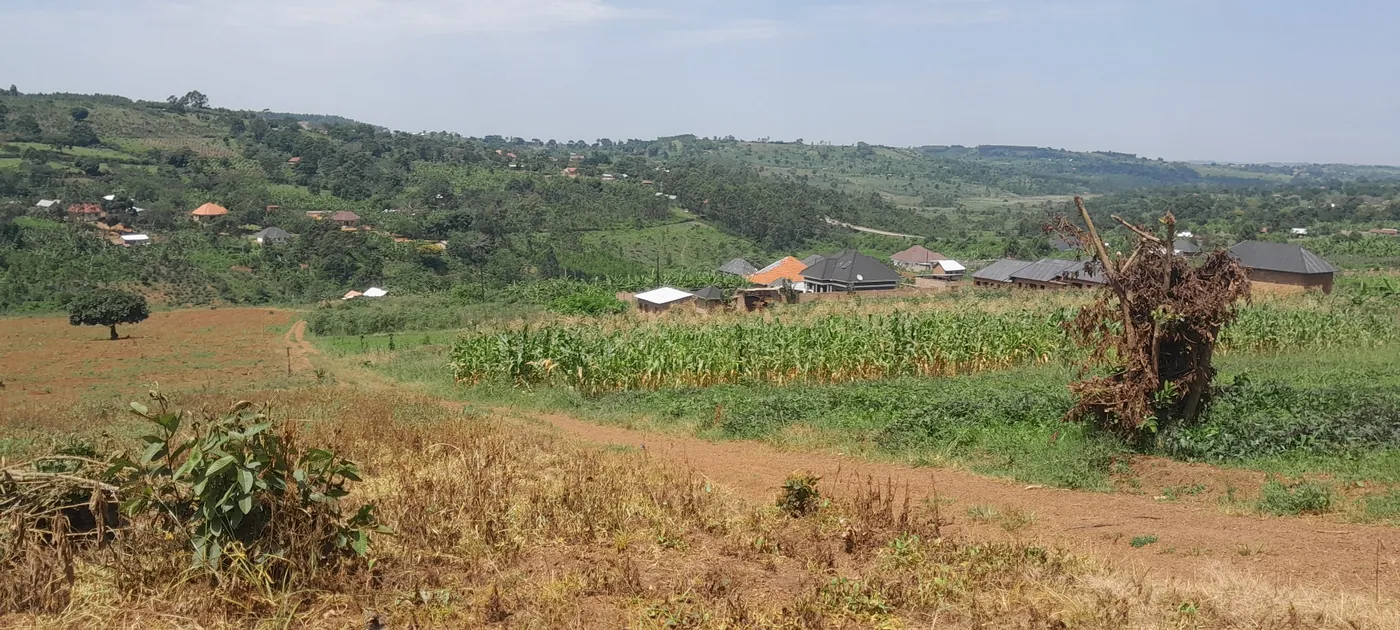
Kkingo, in Lwengo District, faces serious water shortages, especially in the dry season. The hilly terrain makes pumping difficult, so piped water does not reach many households.
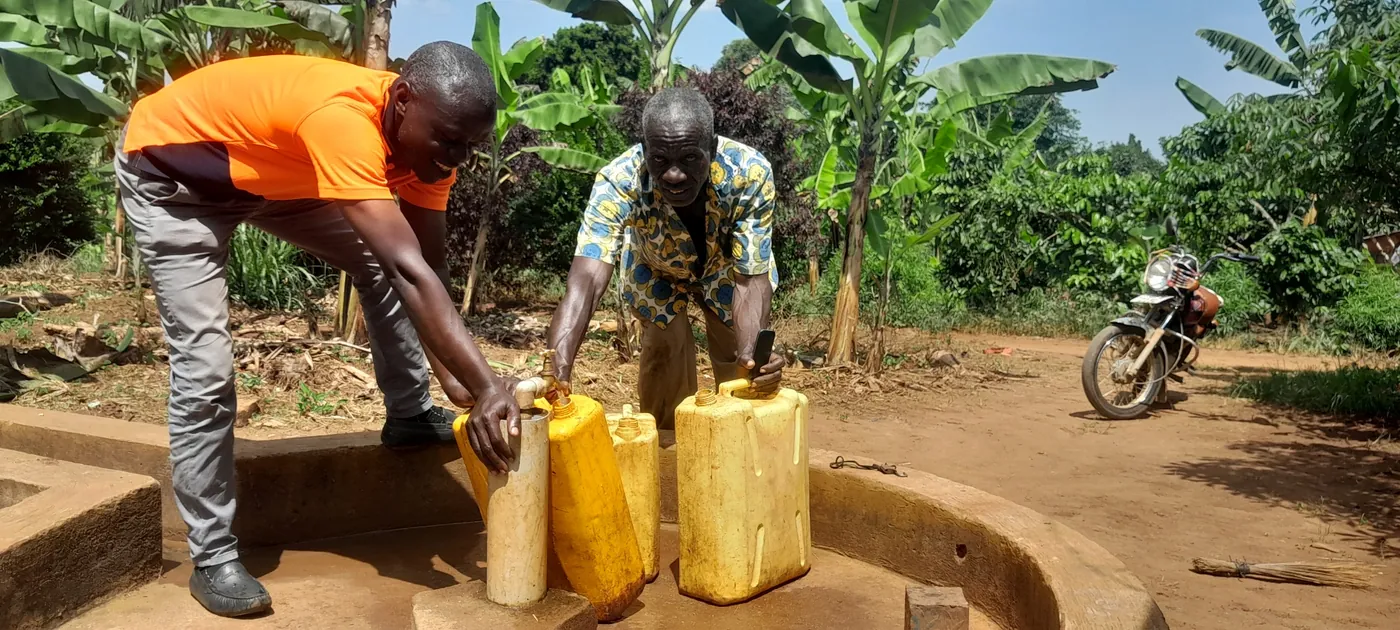
Before the water source was built, residents fetched water from the valley below and shared it with livestock.
What was built
- May 2021Water source completed at Katungamye village by MOD Public Health Foundation, with support from MedWagen
- 4Villages using it: Katungamye, Katambuzza, Kyalusowe and Kkingo Trading Centre
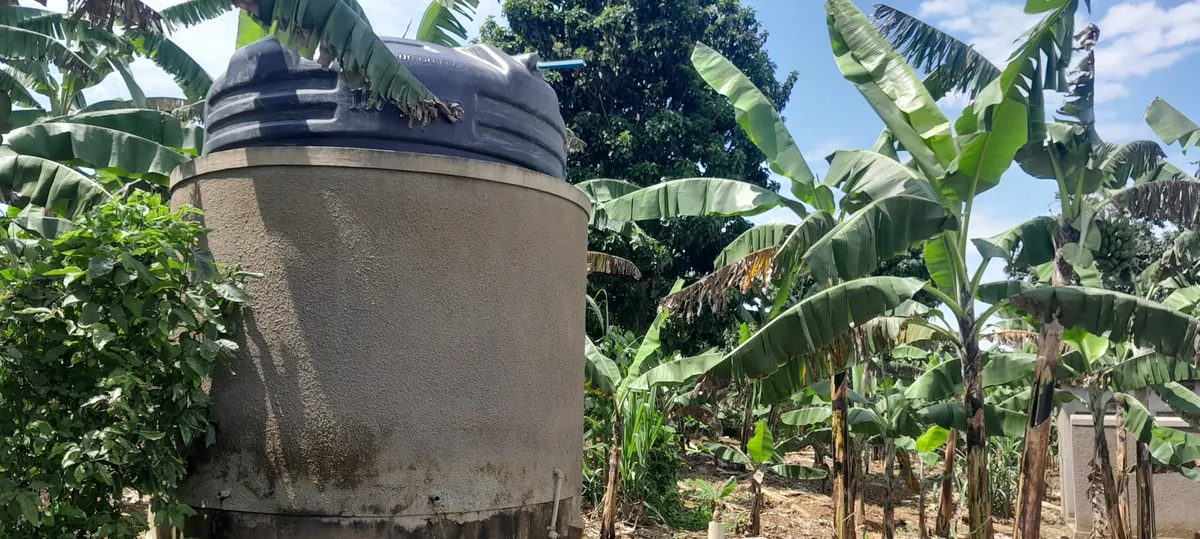
- 10,000 LReserve tank. According to MOD, it supplies about 40 litres a day to each of 250 households.
What residents report
MOD Public Health Foundation’s 2024 report describes the following changes. They are residents’ accounts collected by our partner, not results of a formal evaluation.
- Residents report fewer cases of diarrhoea and of illnesses such as malaria and bilharzia that they linked to the long walk to the old water point.
- Some households use the water for poultry and for irrigating crops, which residents say gives them more food and income.
- Pupils say the shorter, safer walk leaves more time to prepare for school.
In their words
“My child used to suffer from diarrhoea every month, but since we started using the MOD water source, she has not fallen sick once.”
“I was able to start a poultry project using the water from the MOD source. Now I’m earning a steady income and can provide for my family’s needs.”
“I’m now able to grow crops throughout the year. My family has a steady supply of food, and I can even sell some of the produce.”
Quotes from MOD Public Health Foundation’s 2024 report. Names are withheld until consent for publication is confirmed.
What is still needed
To keep the water source safe and working, MOD Public Health Foundation has identified three next steps:
- Protective fence to protect the source from contamination by people, animals and run-off.
- Solar-powered pump to lower running costs and keep water flowing without fuel.
- Additional reserve tanks to store water for periods of high demand in the dry season.
In its 2024 report MOD estimated the cost of these three measures at US$ 8,255.71 (UGX 28,895,000).
Photos
Sources
- MOD Public Health Foundation: Project Report 2024, Sustainable Water Access for Improved Health and Livelihoods in Kkingo, Lwengo District, Uganda.
- Memorandum of understanding between MOD Public Health Foundation and MedWagen, signed 17 November 2024.